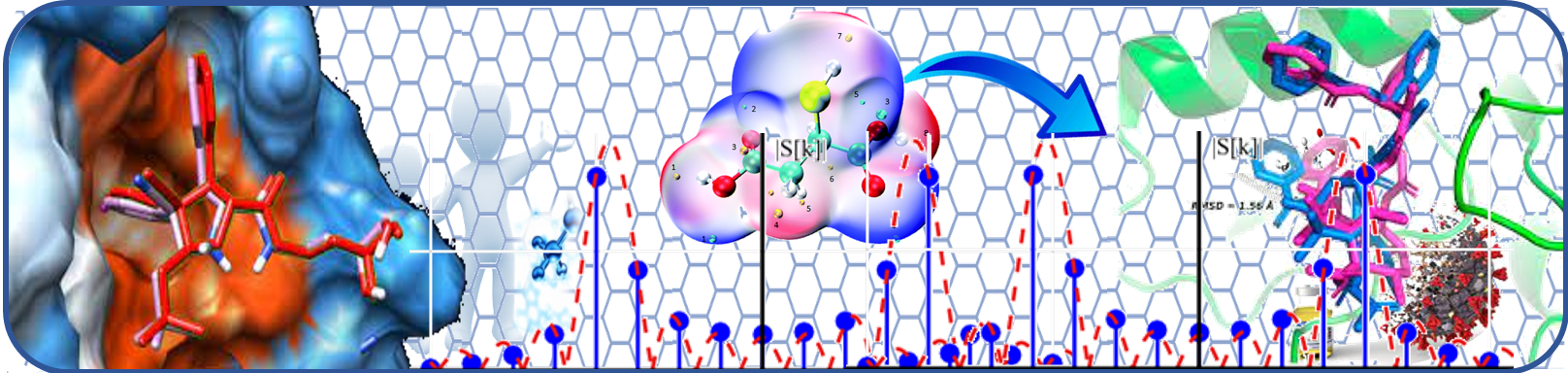
Docking is a method for predicting the preferred orientation of one molecule to another when a ligand and a target bind to form a stable complex. Many Phytochemicals screened against different inhibitors such as “Mpro-Dehydrtectol, Epsilon-viniferin, Peimisine, Gmelanone, and Isocolumbin” against Mpro P. Sharma, at all (2020), and Verdine, Myricitrin against ACE2, 3CL Pro, J. Cheng, Y. Tang at all 2020, R.S. Joshi, at all 2020, which showed significant binding efficacy and stable complex formation and hence could be used a drugs. To enhance accessibility for molecular docking and dynamics simulation researchers, we have developed a comprehensive database. This includes a collection of numerous compounds sourced from published literature, featuring key information such as: binding energy, 2D and 3D structure, Molecular formula, Molecular weight, Isomeric SMILES, InChi, Inchi key, IUPIC Name, and 21 other properties. Users can easily search for specific compounds using the search bar. Additionally, a registration feature is available for researchers to save and submit compounds along with their binding energies by clicking the "Contribute" page in the main menu. To showcase the database's capabilities, we performed molecular docking of the top 10 compounds with the highest binding energies against Human Metapneumovirus (HMPV). The top two compounds, MK-3207 and Etoposide, were selected for molecular dynamics simulations, demonstrating strong binding interactions with the viral protein and highlighting their potential for treating HMPV infections. The docking was conducted using AutoDock Vina and the HMPV crystal structure (PDB ID 8FPJ), with docking scores of -10.3 and -9.6, respectively. Moreover, we explored additional compounds, including Teniposide, UK432097, 85019940, Setileuton, Orvepitan, Cep-11981, Tadalafil, and VS-5584, gaining valuable insights into their binding mechanisms and potential therapeutic applications.